

Commentary
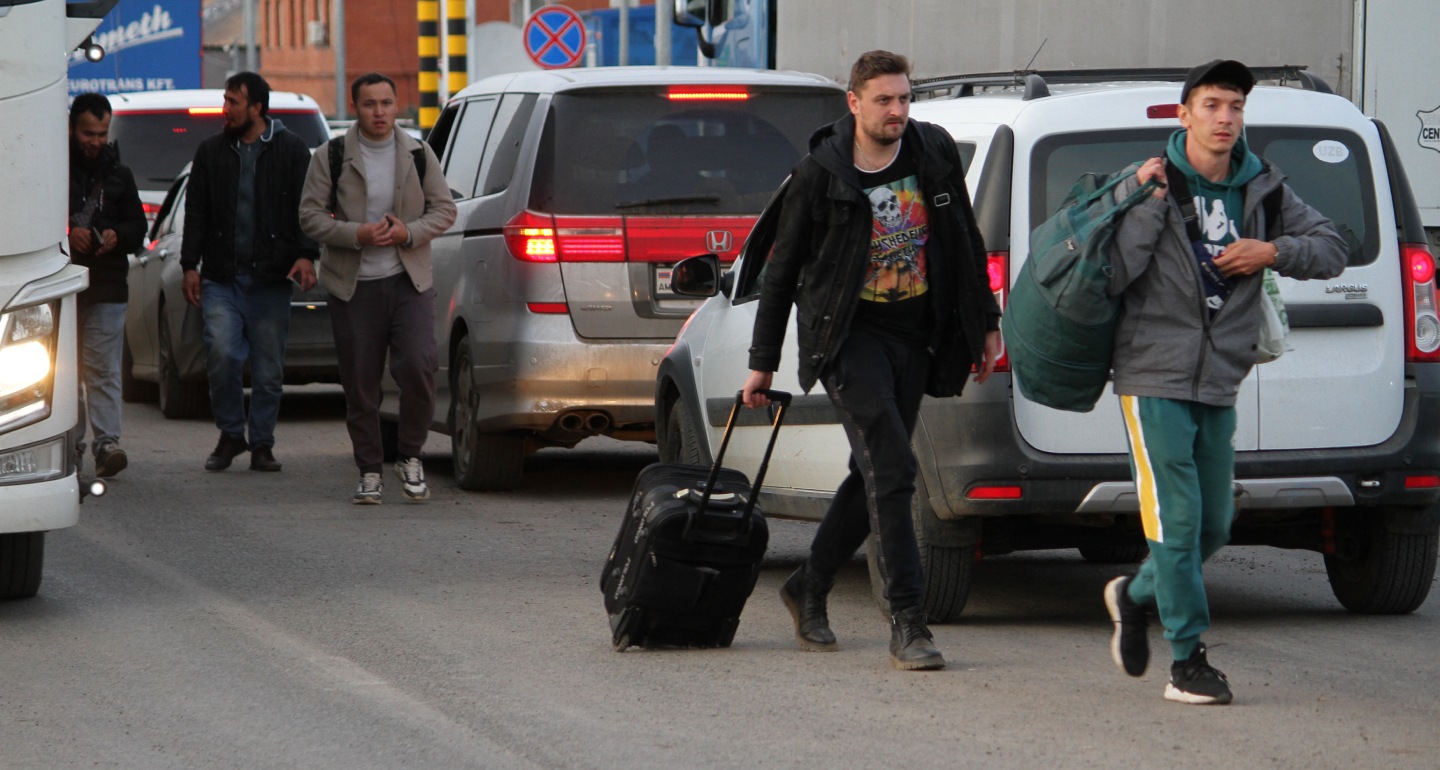
The current U.S. indifference to human rights means Astana no longer has any incentive to refuse extradition requests from its authoritarian neighbors—including Russia.
Temur Umarov
{
  "authors": [
    "Serik Beysembaev"
  ],
  "type": "commentary",
  "blog": "Carnegie Politika",
  "centerAffiliationAll": "",
  "centers": [
    "Carnegie Endowment for International Peace",
    "Carnegie Russia Eurasia Center"
  ],
  "englishNewsletterAll": "",
  "nonEnglishNewsletterAll": "",
  "primaryCenter": "Carnegie Russia Eurasia Center",
  "programAffiliation": "",
  "regions": [
    "Kazakhstan",
    "Central Asia"
  ],
  "topics": [
    "Political Reform",
    "Civil Society",
    "Domestic Politics"
  ]
}
Source: Getty
Kazakhstan’s new constitution is an embodiment of the ruling elite’s fears and a self-serving attempt to preserve the status quo while they still can.
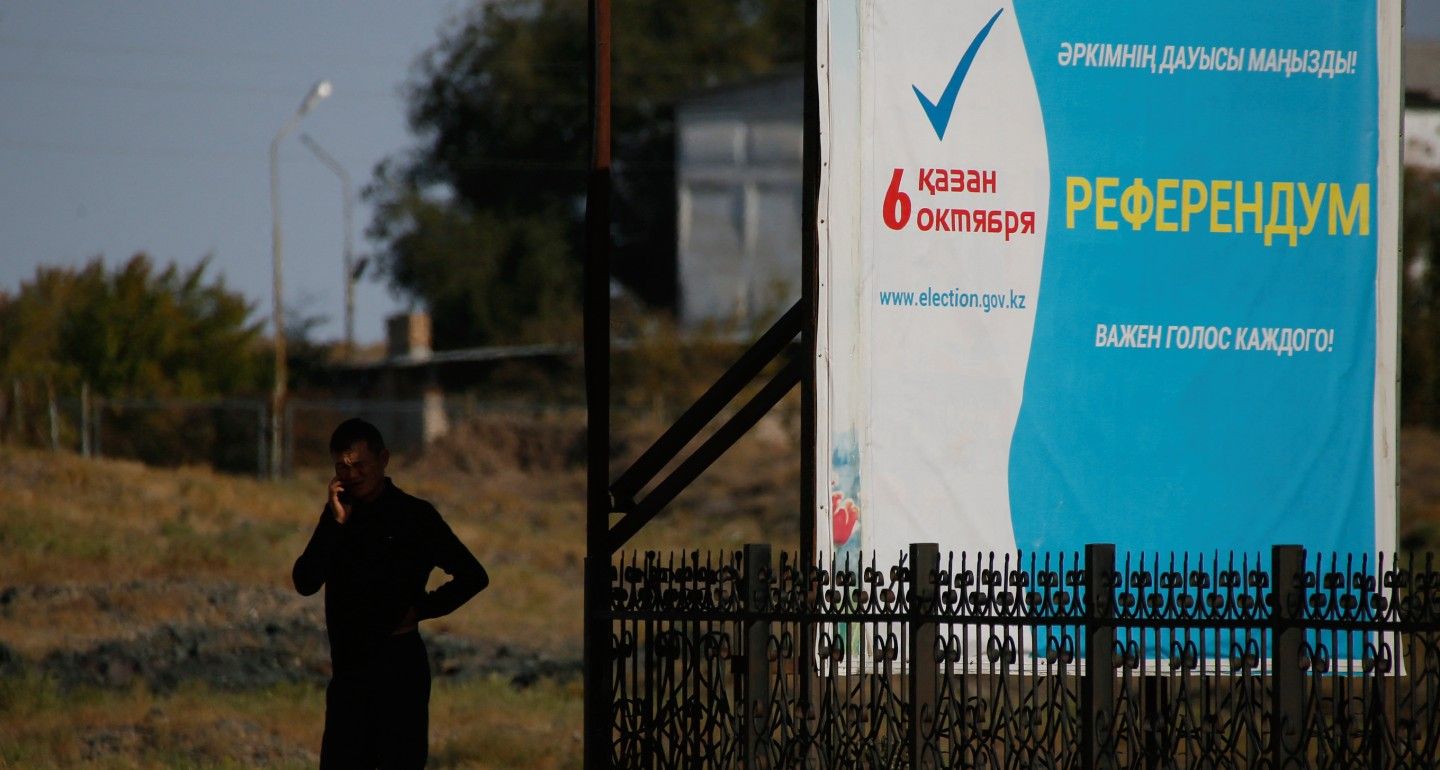
Kazakhstan’s constitution is getting a makeover—again. On March 15, the Central Asian country held a referendum on amending the constitution, marking the second set of revisions in four years. The previous constitutional reform was a forced measure—an attempt to quell social unrest following mass protests in January 2022, during which participants quickly shifted from economic demands to political ones.
A completely different logic underpins the current initiative. Having consolidated his position within the power structure, President Kassym-Jomart Tokayev is preparing for a managed transition while also outlining his political legacy.
The initiative to amend the constitution formally began with Tokayev’s address to the nation in September 2025. At the time, the president proposed abolishing the Senate and transitioning to a unicameral parliament.
A few months later, it became clear that he had more changes in mind, and things started to move unusually quickly—a referendum date came a year earlier than initially promised. The authorities have not provided a clear explanation for why.
There are competing theories: maybe Tokayev intends to run for UN Secretary-General and wants a transition mechanism quick, or maybe the presidential administration is pushing through constitutional changes while Kazakhstan’s socioeconomic climate remains relatively favorable. Meanwhile, the Constitutional Commission attributes the haste to geopolitical turbulence and growing external threats, clearly alluding to Russia’s unpredictability.
It is difficult to say which of these explanations is correct. In any case, rapid reforms are nothing new for Kazakhstani politics, where the authorities have repeatedly used the element of surprise to paralyze political opponents. Also, the question remains: Why is the constitution changing again?
To understand the latest reforms, we must first examine why Tokayev fell out of love with the 2022 constitution. Many of its amendments were concessions made to the public, which had been expecting the political system to liberalize.
Aware of his legitimacy’s fragility after the January 2022 protests, Tokayev stripped Kazakhstan’s powerful first president, Nursultan Nazarbayev, of all the privileges he had enjoyed as an elder statesman. In addition, he reinstated the single member districts amid other political reforms as part of a progressive concept for a “New Kazakhstan.”
However, as the regime consolidated its power, the gap between the rhetoric of “New Kazakhstan” and actual political practice became increasingly apparent. The authorities began arresting activists and cracking down on civil liberties, while also implementing unpopular measures such as the introduction of a single time zone and de facto tax increases.
This authoritarian shift occurred for two reasons. Tokayev’s liberal image became a liability, fostering unrealistic political expectations among Kazakhstan’s citizenry and limiting the regime’s room to maneuver. The easing of external pressure from Western partners, particularly the United States, also played a role. The need for Tokayev’s regime to pay lip service to democracy disappeared with Donald Trump’s return to the White House.
Kazakhstan’s new constitution cements this shift by establishing three key provisions. The first is a return to a proportional representation system for parliamentary elections, making it nearly impossible for party outsiders to enter.
Second, the constitution will grant the head of state additional powers, which is completely at odds with official rhetoric about moving away from a super-presidential model. The president will directly appoint the heads of several bodies, including the Prosecutor General’s Office and National Security Committee, and unilaterally determine the makeup of others, including the Constitutional Court and Central Election Commission.
In addition, the president will be able to issue decrees equivalent to constitutional laws during the transitional period between legislatures. They will also be able to dissolve the parliament should parliamentarians refuse to approve their nominees for key positions. These changes spell the total dismantling of Kazakhstan’s system of checks and balances, creating a clear imbalance in favor of the executive branch.
Third, the new constitution tightens restrictions on civil rights. NGOs will now be required to report any foreign funding they receive. According to Human Rights Watch and local human rights activists, this could stigmatize civil society organizations and create an additional means of exerting pressure on them.
The text of the new constitution also defines marriage exclusively as a union between a man and a woman, stoking fears that Kazakhstan is adopting Russian practices regarding sexual minorities (it banned “propaganda of nontraditional sexual relationships” in December 2025).
The revised article on freedom of speech deserves special attention, as it introduces additional grounds for restricting it. Freedom of speech now cannot violate “public order” or promote ideas that undermine “national security” or justify “encroachments on territorial integrity,” and rights and freedoms can be restricted to protect the “constitutional order” and “public morality.” These vague formulations create ample opportunities for the government to persecute its critics.
Tokayev’s presidential term ends in 2029—a fact that has also influenced the new constitution. In autocracies, an impending leadership transition invariably spells chaos for the power elite. Kazakhstan’s elite survived one such period during Nazarbayev’s departure and knows full well how risky it can be.
The constitutional reform is Tokayev’s attempt to stay one step ahead: to signal to the elite that the situation remains fully under control, the system is manageable, continuity is assured, and there is no need to panic.
A key element of this strategy is the newly created position of vice president, which could be used to test potential successors. Among the most likely candidates, experts name State Counsellor Erlan Karin—one of the key architects of the current system.
However, a simpler scenario remains on the table: extending Tokayev’s term. The adoption of a new constitution could provide a legal basis. Tokayev’s inner circle publicly rejects this possibility, but such assurances carry little weight in Kazakhstani politics. Nazarbayev, for example, mentioned a transition repeatedly, but ultimately carried it out on his own terms and at his own leisure.
At the same time, the reform also affects the future of those currently in power. Tokayev’s inner circle views the constitutional changes as an opportunity to secure their positions for the post-Tokayev era. The emergent power structure, in which the president and his appointees control the courts, law enforcement agencies, and electoral process, provides Tokayev’s circle with far more reliable guarantees than any informal agreement.
These maneuvers attest to Tokayev’s personal evolution as a politician. Before coming to power, he was primarily a diplomat and technocrat. However, over the years of his presidency, Tokayev has developed his own vision of the state: it should be the chief arbiter of public life and prioritize stability over freedom. The new constitution cements this vision as part of Kazakhstan’s official ideology and a super-presidential system as President Tokayev’s political legacy.
The public reacted to the constitutional changes far more negatively than the presidential administration had likely anticipated. Predictably, the authorities are cracking down—in particular, by arresting activists and social media users who opposed the amendments and called for a boycott of the vote. Following the traumatic experience of 2022, the regime prefers to extinguish potential hotbeds of discontent before they find the right kindling.
The latest constitutional reform is a sobering sign that while January 2022 has come and gone, the Kazakhstani authorities remain in a state of emergency. Concerns about the domestic situation are compounded by a turbulent external environment. Peel away the rhetoric, and Kazakhstan’s new constitution is an embodiment of the ruling elite’s fears, a self-serving attempt to preserve the status quo while they still can.

Serik Beysembaev
Director of Paperlab Research Center (Astana, Kazakhstan), sociologist. Has over 15 years of experience in analytics and research. Specializes on governmental politics, public opinion and violent extremism prevention in Kazakhstan.
Carnegie does not take institutional positions on public policy issues; the views represented herein are those of the author(s) and do not necessarily reflect the views of Carnegie, its staff, or its trustees.
The current U.S. indifference to human rights means Astana no longer has any incentive to refuse extradition requests from its authoritarian neighbors—including Russia.

Temur Umarov

Inflicting damage on oil infrastructure in Russia that is used by Kazakhstan and a whole series of Western oil majors risks backfiring on Kyiv.

Sergey Vakulenko
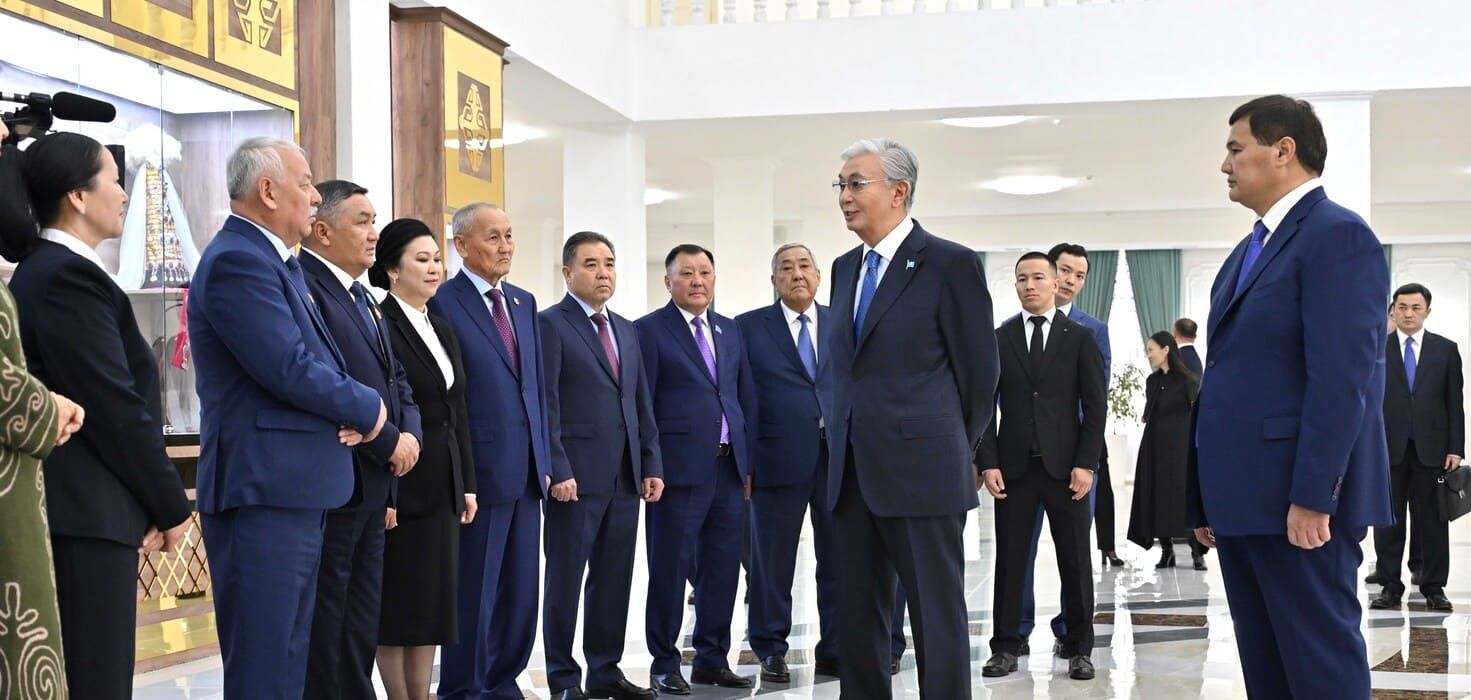
It seems likely that Kazakhstan’s president is trying to find a way to leave his seat in 2029 while remaining the country’s most powerful politician.

Galiya Ibragimova
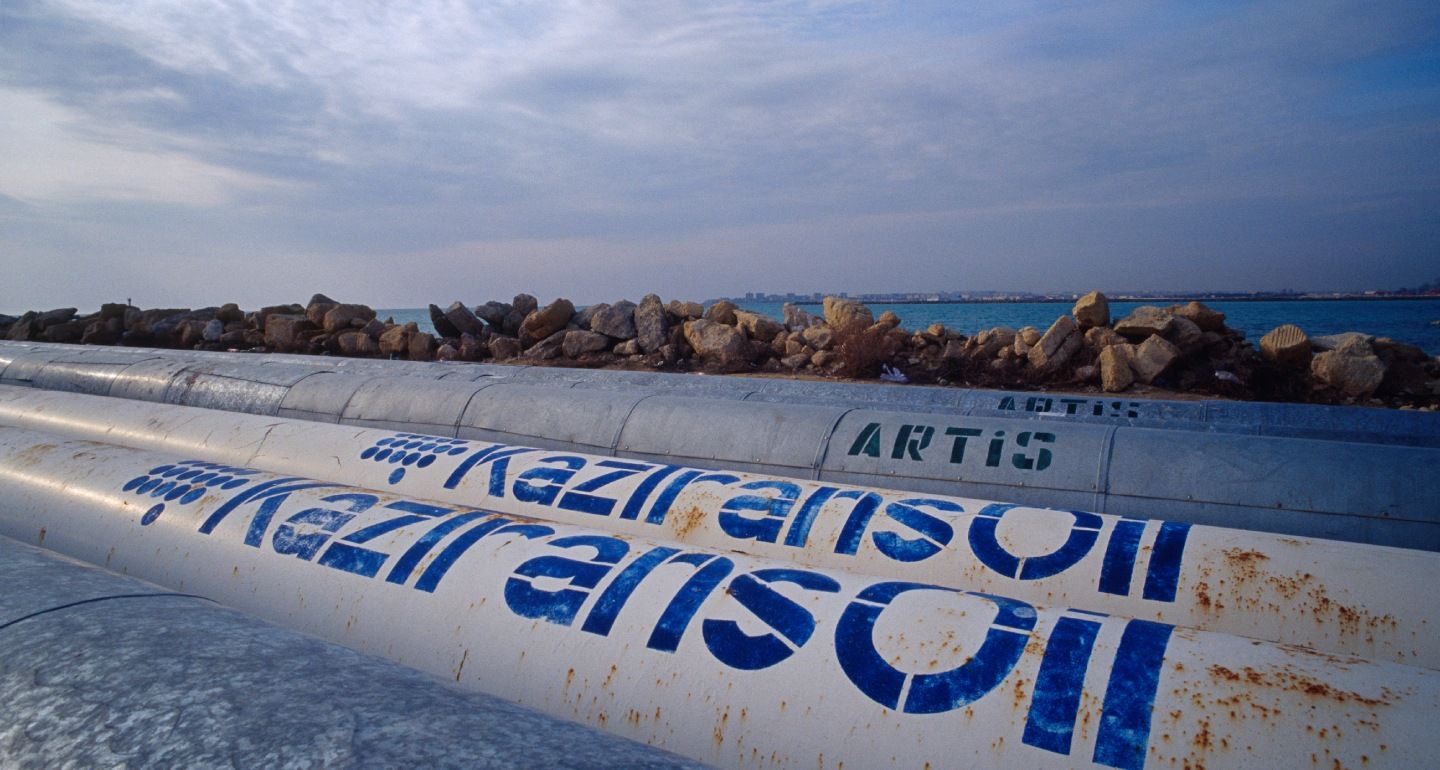
If Kazakhstan does not start revising the terms of its oil agreements now, by 2040 it risks finding itself in a situation where its largest deposits have been depleted and no new ways of replenishing the budget have materialized.
Rassul Kospanov
Officials in Astana need to focus on meaningful localization if they want Kazakhstan to build a successful civil nuclear industry.


Jennet Charyyeva, Yanliang Pan