

In The Media
Lilia Shevtsova
{
  "authors": [
    "Lilia Shevtsova"
  ],
  "type": "legacyinthemedia",
  "centerAffiliationAll": "",
  "centers": [
    "Carnegie Endowment for International Peace",
    "Carnegie Russia Eurasia Center"
  ],
  "collections": [],
  "englishNewsletterAll": "",
  "nonEnglishNewsletterAll": "",
  "primaryCenter": "Carnegie Russia Eurasia Center",
  "programAffiliation": "",
  "programs": [],
  "projects": [],
  "regions": [
    "Russia"
  ],
  "topics": [
    "Foreign Policy"
  ]
}
Source: Getty
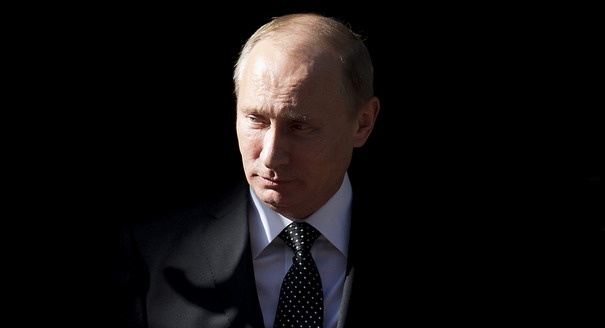
Putin’s rhetorical shift toward calm and congeniality shows that now Putin is presenting himself as a victor who has formulated and applied the new rules of the game.
Source: American Interest
In March, Vladimir Putin showcased himself as the character I like to call the Terminator. He performed this role for the benefit of a global audience, as well as for his opposition inside Russia. In his March 18 address to the Russian Federal Assembly and the public, the one intended to legitimize the Crimea annexation, Putin attacked the United States for “[being] guided not by international law, but by the rule of the gun.” Borrowing a term from Hitler’s lexicon, Putin also berated the “national traitors” inside Russia who refuse to toe the Kremlin line. It was bellicose rhetoric intended to portray the Russian leader as a wartime president addressing his nation in a time of crisis. Putin’s March pronouncements were in line with his 2013 speeches, in which he stated that Russia’s aim was to contain the “demoralized” Euro-Atlantic states.Now let us take a look at what Putin was saying during this April 17 question-and-answer session. He slipped into an entirely new skin, one projecting calm and a congenial nature. He chided his belligerent supporters in the audience. He even surprised many by saying, “Russia’s values do not differ dramatically from European values. We belong to the same civilization.” In a later interview he indicated that there is “nothing that could prevent normalization and normal cooperation” between Russia and the United States. Programs on Russian television stations have begun to preach the virtues of “tolerance” and “discussion.” ...
Read the full text of this article in the American Interest.
Former Senior Associate, Russian Domestic Politics and Political Institutions Program, Moscow Center
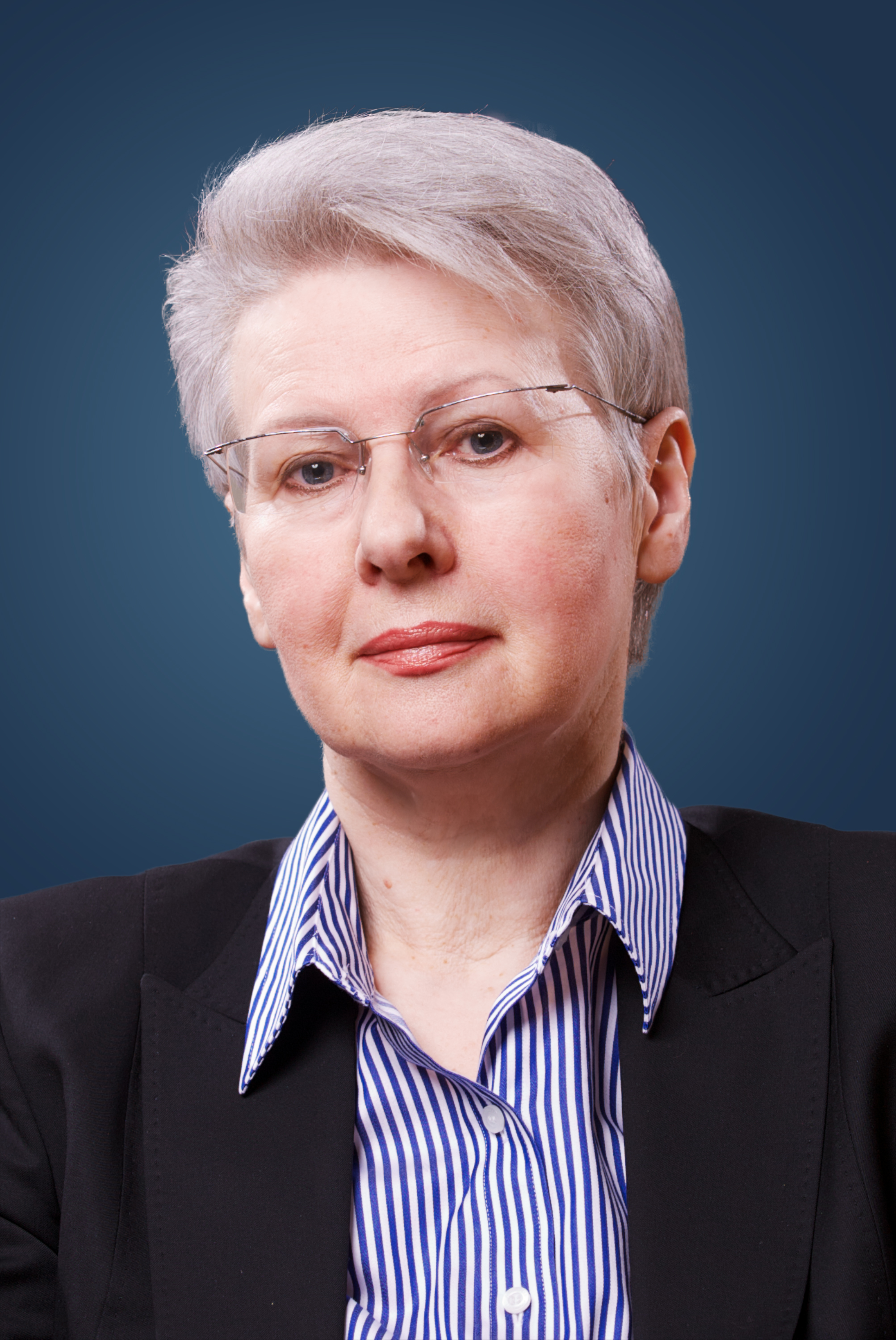
Shevtsova chaired the Russian Domestic Politics and Political Institutions Program at the Carnegie Moscow Center, dividing her time between Carnegie’s offices in Washington, DC, and Moscow. She had been with Carnegie since 1995.
Recent Work
Lilia Shevtsova
Lilia Shevtsova
Carnegie does not take institutional positions on public policy issues; the views represented herein are those of the author(s) and do not necessarily reflect the views of Carnegie, its staff, or its trustees.
The prospect of a total block on Russia’s most popular messaging app has sparked disagreement between the regime’s political managers and its security agencies.

Andrey Pertsev
Not only does the fighting jeopardize regional security, it undermines Russian attempts to promote alternatives to the Western-dominated world order.
Ruslan Suleymanov
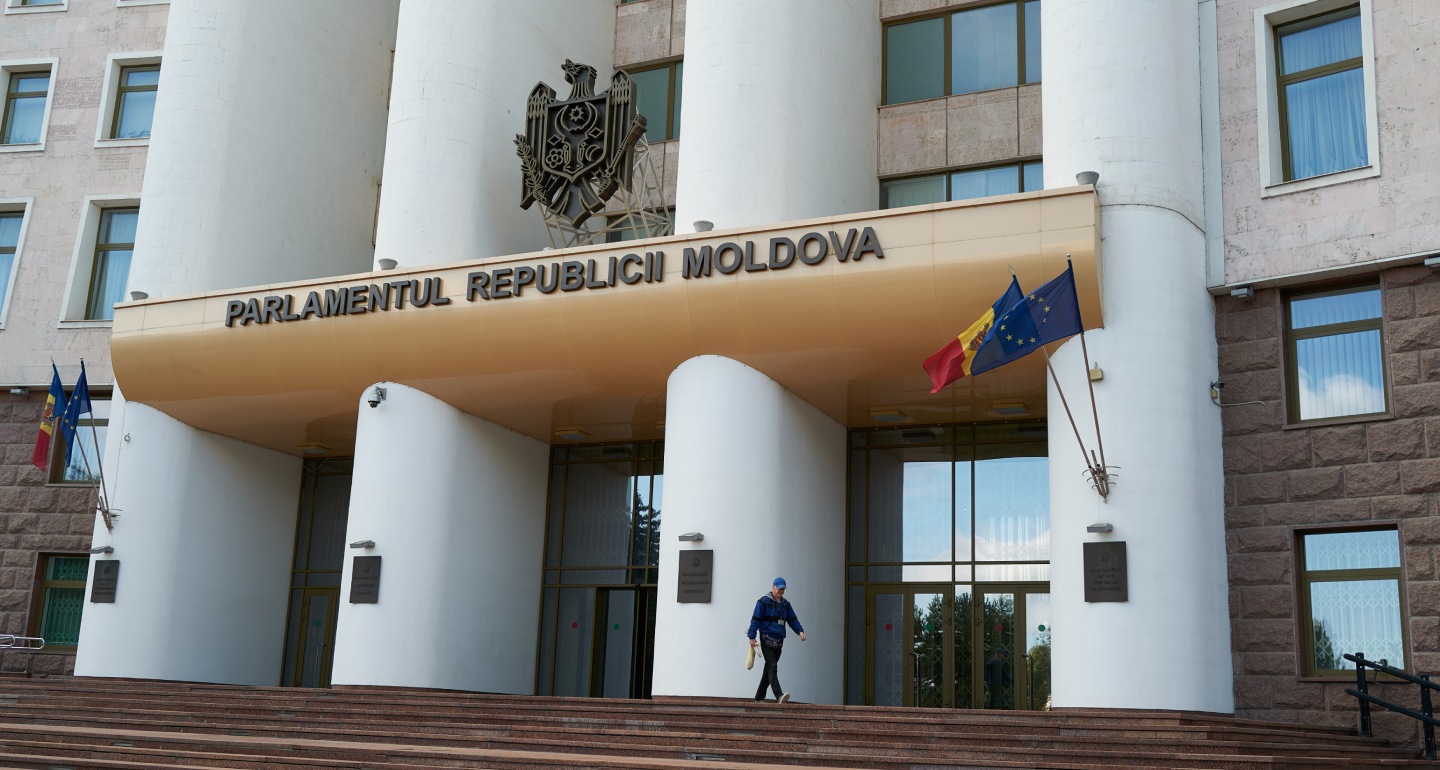
Moldova’s reintegration plan was drawn up to demonstrate to Brussels that Chișinău is serious about the Transnistria issue—and to get the West to react.
Vladimir Solovyov
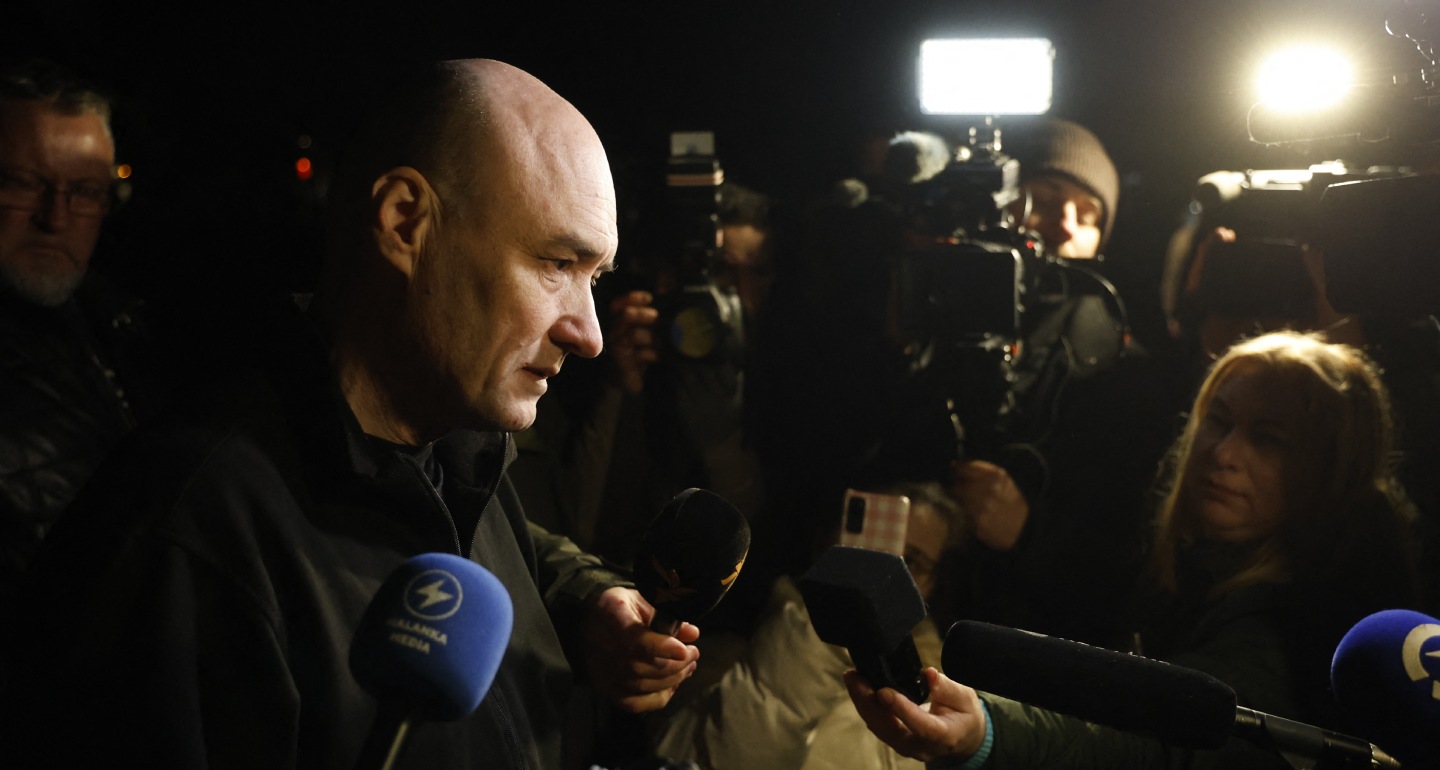
Lukashenko is willing to make big sacrifices for an invitation to Mar-a-Lago or the White House. He also knows that the clock is ticking: he must squeeze as much out of the Trump administration as he can before congressional elections in November leave Trump hamstrung or distracted.

Artyom Shraibman

The future trajectory of the U.S.-Iran war remains uncertain, but its impact on global energy trade flows and ties will be far-reaching. Moscow is likely to become a key beneficiary of these changes; the crisis in the Gulf also strengthens Russia’s hand in its relationships with China and India, where advantages might prove more durable.

Sergey Vakulenko